Linen in the Luxury Mindset: A Close Look at Organic Linen Bedding Materials
Exploring premium linen bedding through the lens of Coyuchi and analogous brands, with a focus on organic flax, weaving heritage, and buying guidance for elevated sleep experiences.
Linen has always carried a certain aura—an aura of unhurried evenings, of linen napkins drying in a sun-drenched kitchen, of a bed that promises a cooler night and a more comfortable morning. In the luxury bedding world, linen is not merely a fabric; it is a stance. It signals a commitment to natural fibers, sustainable sourcing, and a philosophy of sleep as ritual rather than routine. Brands like Coyuchi elevate this stance from textile to storytelling, translating flax into a lived-in luxury that ages gracefully. The linen’s grainy texture, the subtle drape, and the fabric’s capacity to regulate temperature create a bed that responds to the body with a quiet intelligence.
To understand linen in the luxury mindset, we must consider three pillars: origin, weave, and care. The origin tells us where the flax is grown and where the linen is woven. The weave describes how the fiber is turned into fabric, and care reveals how to sustain the fabric’s texture and performance over time. Taken together, these pillars explain why organic linen bedding is not just an upgrade in comfort but a long-term investment in a healthier sleep environment.
Origin: The Story of Flax, a Plant with a Long History
Linen begins in the field. The flax plant, when grown under careful organic practices, yields fibers that are strong, naturally resistant to staining, and expertly breathable. Organic linen—flax grown in France, woven in Portugal, and finished with plant-based softeners—embodies a cycle of sustainability that resonates with modern designers and conscientious consumers alike. Coyuchi’s Organic Relaxed Linen collection is a vivid illustration of this lifecycle: flax grown in France, linen woven in Portugal, and finished to preserve a soft, breathable hand that improves with use.
The material’s provenance matters deeply in the luxury space. It’s not simply about labeling; it’s about traceability, ethics, and the assurance that every step—from seed to sheet—upholds standards that protect soil and air. In a realm where consumer attention is frequently pulled toward fashion-like trends, linen’s origin grounds the experience. You sleep on the knowledge that your sheet set has been produced with respect for workers, communities, and ecosystems.
Weave: The Quiet Language of Texture and Temperature
Weave is linen’s architectural signature. A plain weave yields a crisp, breathable surface that remains cool to the touch; a garment-washed or linen-woven-to- softness yields a lived-in hand that deepens with every wash. The Upside of linen is its adaptability: it cools when it’s warm and warms when the room is cool, but always in a way that feels natural rather than engineered.
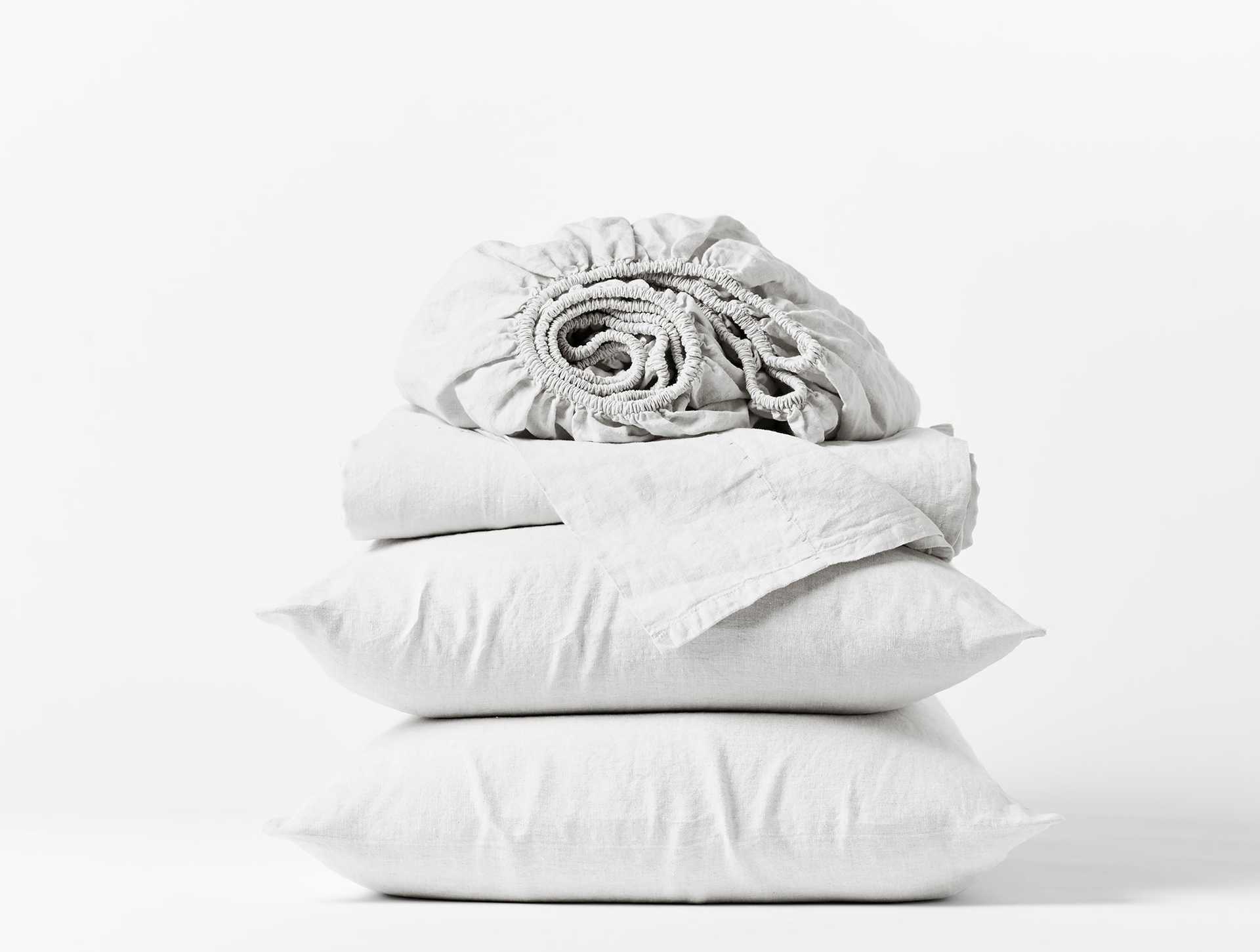
Premium linen sets—such as Organic Relaxed Linen Sheet Set and related pillowcases—are designed to evolve with daily use. The fabric gains a gentle drape and a softer hand over time, without losing strength or shape. When a linen sheet conforms to the curves of a body and remains breathable after countless nights, the experience becomes a quiet luxury: not flashy, but enduring.
In Coyuchi’s ecosystem, you’ll find linen woven in Portugal from French flax, finished with plant-based softeners, and features like pick-stitched cuffs that contribute a subtleness of detail. The design language is not about ostentation; it’s about a refined restraint—the texture, the tone, the way the fabric settles into the rhythm of a room and a person’s sleep cycle.
Care and Longevity: Preserving Texture and Temperature Regulation
Care is where luxury bedding reveals its practical spirit. Linen benefits from cold or warm gentle cycles, tumble drying on low, and a minimal amount of fabric softener that preserves its breathability. The goal is not to erase linen’s natural texture but to encourage it to become more supple with each wash. The plant-based softeners used in organic linen lines help maintain a clean, gentle feel on the surface, allowing the fibers to loosen and relax without losing integrity.
A well-cared-for linen set, particularly organic linen, maintains its cool-to-the-touch quality across seasons. The linen will not become heavy with humidity; instead, it manages moisture by wicking and drying quickly, keeping you in that sweet equilibrium between comfort and wakefulness. This is where linen’s true luxury emerges: a practical sophistication that respects your body’s needs through the night and honors the environment in which you sleep.
Three Time-Traveling Figures: Perspectives on Linen and Comfort
The following portraits illuminate linen’s cultural resonance across epochs, from antiquity to modern design, and they anchor a modern buyer’s decision in a broader human story.
- Hypatia of Alexandria (c. 370–415 CE): A thinker of balance and clarity, Hypatia’s world valued the discipline of study and the elegance of natural materials. Linen, in ancient civilizations, was woven into textiles for temples, homes, and travelers’ gear. The idea here is linen as a baseline—simple, honest, breathable—an ancient model for sustainable luxury that endures. Hypatia’s commitment to rationality mirrors the linen philosophy: textures that age with grace and a fabric that remains useful under various conditions.
- Levi Strauss (1829–1902): A named innovator whose work with durable textiles foreshadowed modern notions of comfort and rugged practicality. Though not a linen specialist, Strauss embodies the mid-century pivot toward everyday wearability and durable fabrics that perform under the demands of daily life. Linen in the luxury sphere borrows that spirit: it must be both beautiful and functional, comfortable yet resilient—qualities that the loom and the dyeing rooms of Europe also sought to perfect.
- Denise H. (b. 1965): A contemporary interior designer who has helped popularize natural fibers in boutique hotels and residential spaces. Denise’s practice often centers on light, texture, and climate-responsive design. In the context of linen bedding, her approach demonstrates how linen’s texture and temperature-regulating properties can anchor a room’s atmosphere, turning a bed into a sanctuary rather than a mere surface. Denise’s philosophy echoes the Coyuchi approach: thoughtful sourcing, careful weaving, and purposeful care rituals that elevate everyday life.
A Practical Guide to Choosing Linen Sheets: Coyuchi as a Benchmark
Choosing linen sheets is not an exercise in chasing perfection but in seeking a rhythm that suits your body and climate. Here is a concise guide built on the Coyuchi ecosystem and the broader luxury market’s best practices.
Prioritize linen sourced from regions celebrated for flax, such as France and Portugal. Organic certification matters if you seek environmental integrity, and GOTS (Global Organic Textile Standard) certification provides a robust assurance of organic fiber processing. Linen’s weave determines its texture and breathability. For warm climates or sleepers who overheat, a lighter weight with a breezy feel is ideal. In cooler seasons, you may opt for a medium weight that still breathes and performs moisture management well. The appearance of linen evolves. Garment-washed or stone-washed finishes will deliver a softer hand and more relaxed drape over time. A person’s preference for crisp or relaxed texture will guide whether you select a more structured linen or a more lived-in, soft-hand option. Use cold to warm gentle cycles, avoid aggressive fabric softeners that dull the surface, and tumble dry on low or line-dry to preserve fibers. A light plant-based softener is compatible with organic linen lines and helps maintain softness without compromising breathability.
To illustrate how these principles translate into a concrete product line, consider Coyuchi’s Organic Relaxed Linen Sheet Set. It embodies the organic ethos, with flax grown in France, linen woven in Portugal, and a finish designed to keep the textile light and breathable. The set’s 15-inch deep pocket on the fitted sheet and careful cuff detailing reflect a modern, functional design language that remains unshowy—precisely the mark of a luxury bedding category that respects both the body and the planet.
Closing Reflections: The Luxury Mindset and Everyday Sleep
Luxury bedding is less about opulence and more about a cultivated ease—an atmosphere that supports rest without demanding attention. Linen, especially organic linen, embodies a philosophy of restraint: textures that reveal age with grace, fibers that breathe with the body, and finishes that fade into the room’s color palette rather than shouting from the sheets. The luxury mindset asks: How will this bedding perform in the long arc of use? Will it endure, and will it do so gracefully? The answer, in the linen’s quiet resilience, is a yes that feels almost philosophical: quality is a long patience, and patience wears well in bedroom light.
As designers and sleepers, we deserve textiles that participate in our lives without demanding them. Linen offers a rare combination: a tactile luxury that remains grounded in practicality. It is the kind of fabric that makes the night feel like a well-turnished room of one’s own—cool enough to soothe, warm enough to cradle, and patient enough to welcome every morning with a calm, unhurried breath.