Blankets serve as a versatile layer for comfort and warmth, contributing to sleep quality and climate control in indoor environments. The category encompasses a range of materials, weave structures, and weights designed for cool evenings, transitional seasons, or year-round use. Understanding fabric composition and construction helps match a blanket to personal warmth preferences and room ambiance.
Common blanket materials include cotton, wool, and blends, each offering distinct advantages. For example, cotton provides breathability and softness, while wool offers natural temperature regulation and resilience. Weighing options by weight (light, medium, heavy) helps balance insulation with airflow, contributing to consistent comfort during rest and relaxation.
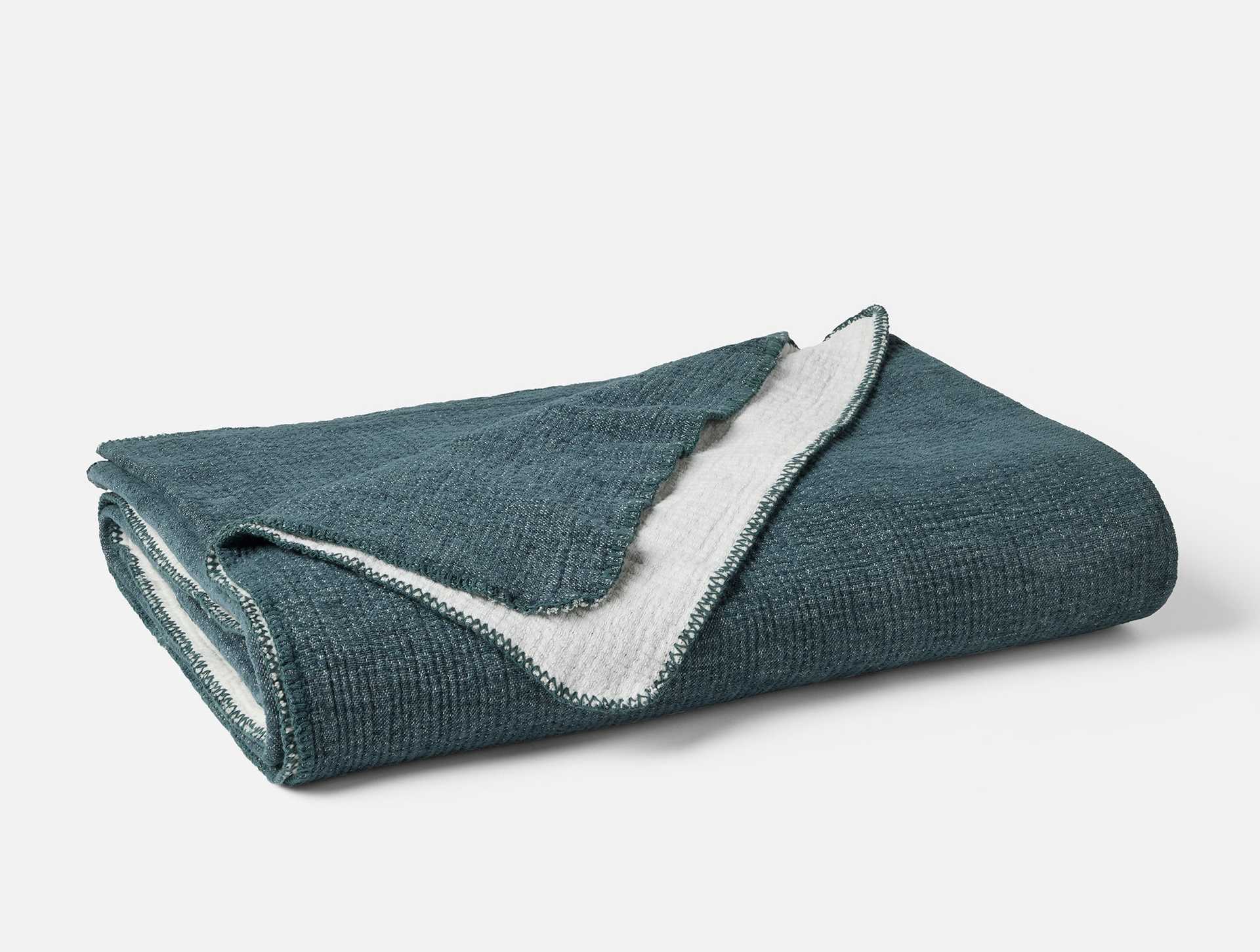
The Cozy Cotton Organic Blanket exemplifies a practical blend of comfort and sustainability. Notable features include a breathable organic cotton weave, a mid-weight profile suitable for layering, and a softness that improves with use. Functional benefits include year-round warmth, easy care, and a gentle touch against the skin.
Considerations for selecting blankets include thread count or fabric density, edge finishing, and fiber origin. Non-toxic dyes and certifications can indicate low environmental impact, while practical details like machine washability support regular maintenance. When evaluating warmth, pairing a blanket with existing bedding like sheets and pillows optimizes overall sleep comfort.
In the broader bedding context, blankets complement other essentials such as comforters, wool comforters, and proxy textiles like pillow covers. Understanding how a blanket interacts with these elements clarifies its role in personal sleep zones and living spaces, contributing to a cohesive and restful environment through thoughtful material choice and care.
 Bedding